


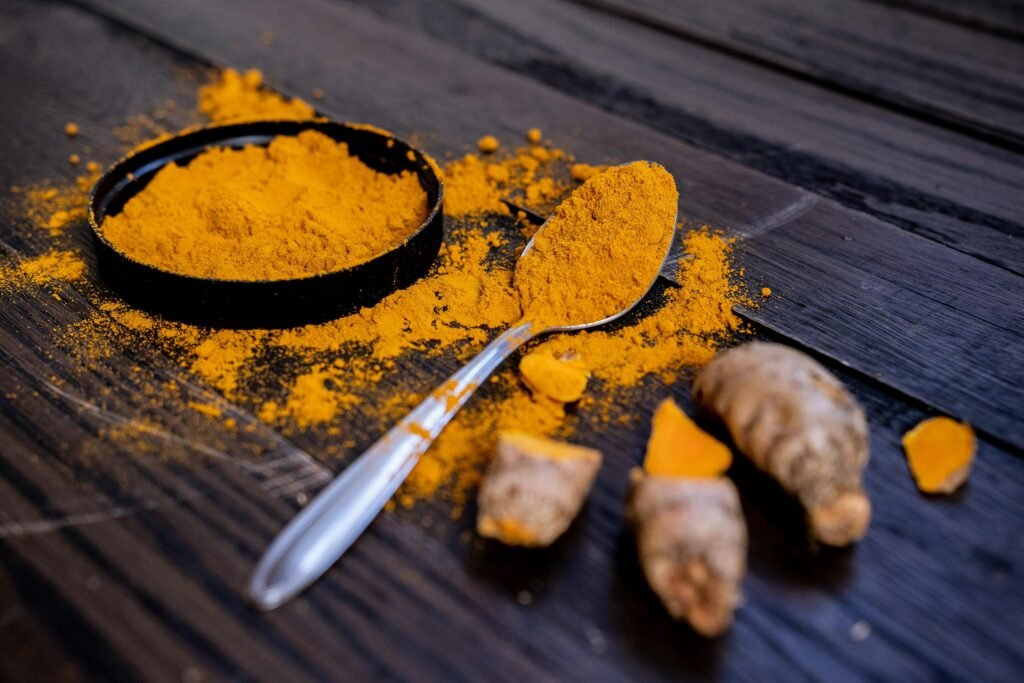
How Much Turmeric Powder Per Day Is Actually Safe?
The complete science-backed guide to daily turmeric dosage — benefits, risks, and the golden rule you need to know.

Turmeric — the golden spice beloved across Indian kitchens and Ayurvedic medicine for over 4,000 years — has exploded into the global wellness spotlight. But with its rise comes a critical question: how much turmeric powder per day should you actually consume?
In this comprehensive guide, we break down the optimal daily turmeric dosage for different purposes, backed by the latest scientific research.
What Is Turmeric Powder?
Turmeric (Curcuma longa) is a flowering plant of the ginger family. The dried and ground root produces the vivid yellow-orange powder used worldwide in cooking, traditional medicine, and wellness products.
The spice's bright hue comes from curcuminoids, the most important of which is curcumin — the subject of thousands of scientific studies.
How Much Turmeric Powder Per Day?
The right dosage depends on your goal. Here is what health authorities recommend:
| Purpose | Turmeric Powder / Day | Curcumin Equivalent | Notes |
|---|---|---|---|
| General wellness | ½ – 1 tsp (1.5–3 g) | ~50–100 mg | Safe for daily use |
| Anti-inflammatory | 1 – 2 tsp (3–6 g) | ~100–200 mg | Pair with black pepper |
| Joint pain / Arthritis | 2 – 2.5 tsp (6–8 g) | ~200–400 mg | Consult doctor |
| Curcumin supplement | 400–600 mg extract | 400–600 mg | Take with fat + piperine |
| WHO safe upper limit | Up to 3 mg curcumin per kg of body weight per day | ||
For most healthy adults, ½ to 1 teaspoon (1.5–3 grams) per day through food is safe and beneficial. Do not exceed 8 grams per day without medical guidance.
Curcumin: The Active Compound You Need to Understand
Turmeric powder contains only 3–5% curcumin by weight. To get 200 mg of curcumin, you need roughly 4–7 grams (1.5–2 teaspoons) of turmeric powder.


The Bioavailability Problem
Curcumin is poorly absorbed on its own. Knowing how you take turmeric is as important as how much you take.
- Black pepper (piperine) — up to 2,000% increase
- Healthy fats (coconut oil, ghee, olive oil)
- Heat — cooking activates curcumin
- Liposomal supplements
- Taking on an empty stomach
- Cold water or iced drinks
- Antacids taken simultaneously
- Refined carbohydrate-heavy meal
Combining turmeric with just a pinch of black pepper dramatically enhances curcumin absorption — one of the most powerful nutritional synergies in food science. — Journal of Nutritional Biochemistry
Health Benefits of Taking Turmeric Daily
1. Powerful Anti-Inflammatory Properties
Curcumin blocks NF-kB, a key molecule that triggers inflammation. Studies show it can match the effectiveness of some anti-inflammatory drugs without the side effects.
2. Potent Antioxidant
Curcumin neutralizes free radicals directly and boosts the body's own antioxidant enzymes — one of the most powerful natural antioxidants known.
3. Supports Brain Health
Curcumin increases BDNF (Brain-Derived Neurotrophic Factor), linked to improved memory and reduced risk of Alzheimer's and depression.

4. Reduces Joint Pain & Arthritis
Clinical trials found turmeric as effective as ibuprofen for knee pain in osteoarthritis patients at 500–1,000 mg curcumin per day.
5. Supports Heart Health
Curcumin improves endothelial function, reduces LDL oxidation, and lowers systemic inflammation — all major heart disease risk factors.
6. Potential Cancer-Protective Properties
Research shows curcumin can affect cancer growth at the molecular level. Still emerging — should not replace conventional treatment.
7. Helps with Depression & Mood
A randomized trial found curcumin as effective as fluoxetine for major depressive disorder. It boosts serotonin and dopamine naturally.
How to Take Turmeric Powder Daily
- 1Golden Milk: 1 cup warm milk + 1 tsp turmeric + pinch black pepper + ½ tsp cinnamon + honey. Most bioavailable method.
- 2Curries & Soups: Add ½–1 tsp per serving. Cooking in oil activates curcumin significantly.
- 3Smoothie: ½ tsp turmeric + nut butter or coconut milk + dash of black pepper in your morning blend.
- 4Scrambled Eggs / Tofu: Sprinkle ¼–½ tsp while cooking. Natural fat aids absorption automatically.
- 5Supplement Capsule: 400–600 mg standardized curcumin extract with BioPerine (piperine) for therapeutic doses.
- 6Turmeric Tea: Simmer 1 tsp in 2 cups water for 10 mins. Strain, add lemon and honey. Great evening option.
Side Effects of Too Much Turmeric
If you experience nausea, diarrhea, stomach cramps, dizziness, or unusual bleeding — reduce dose immediately and consult a doctor.
- Nausea and vomiting
- Diarrhea and loose stools
- Stomach cramping or bloating
- Acid reflux worsening
- Blood thinning effect
- Kidney stone risk
- Liver stress in large doses
- Iron absorption interference
Safe Upper Limit
Up to 8 grams (2.5 teaspoons) per day from food is safe for healthy adults. Curcumin supplements at 400–600 mg/day are well-tolerated. Avoid exceeding 1,500 mg curcumin extract daily.
Who Should Avoid or Limit Turmeric?
Have gallbladder disease, kidney stones, are pregnant or breastfeeding, take blood thinners, take diabetes medications, or have surgery within 2 weeks.
Pregnancy & Breastfeeding
Culinary amounts are safe. High-dose supplements are NOT recommended during pregnancy — may stimulate uterine contractions.
Blood-Thinning Medications
Curcumin has anticoagulant properties. If you take warfarin, clopidogrel, or aspirin therapy — inform your doctor before supplementing.
Gallbladder Issues
Turmeric stimulates bile production. Avoid therapeutic doses if you have gallstones or bile duct obstruction.
For healthy adults, up to 1 teaspoon (3 grams) per day in food is completely safe and comes with significant health benefits. Start small and build gradually.
Frequently Asked Questions
The Bottom Line on Turmeric Dosage
For everyday wellness, ½ to 1 teaspoon (1.5–3 grams) per day is the sweet spot — safe, effective, and easy to maintain. Always pair with black pepper and healthy fat. For therapeutic use, consult a doctor about standardized curcumin supplements.
Start small, be consistent, and let the golden spice work its magic.
↑ Back to Top